Our Products
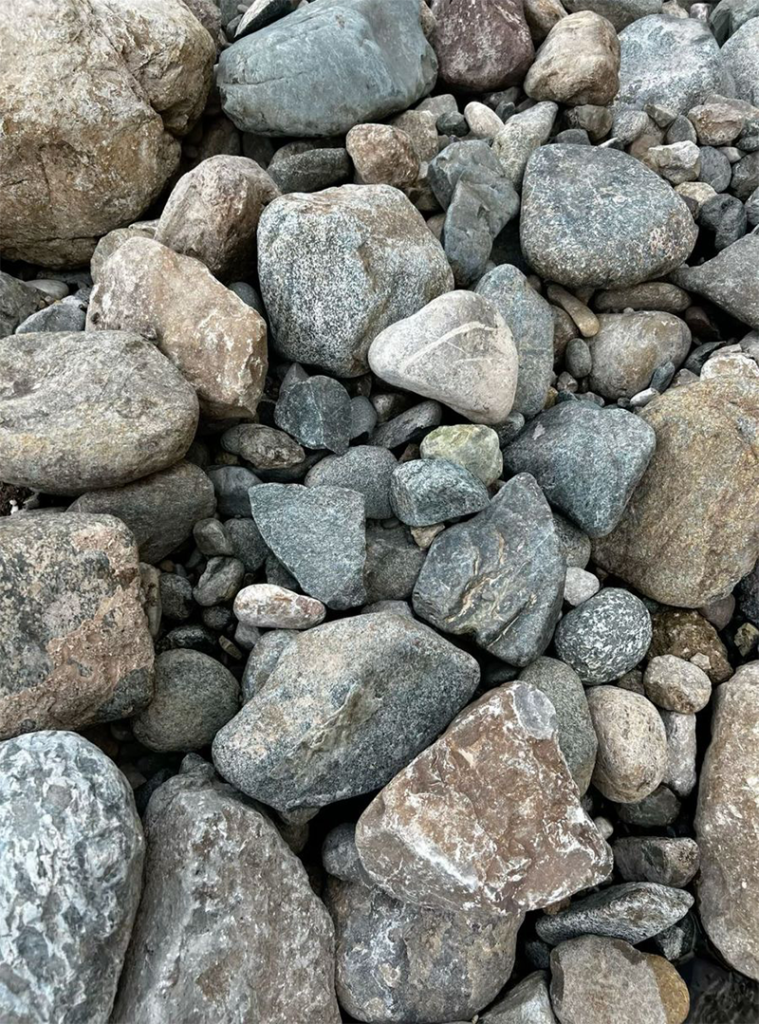
Crushed stone aggregates (40mm) for structural concrete, roads, and base layers.
Material Overview
Aggregate is a broad term for granular materials such as crushed stone and gravel that are combined with cement or other binders to produce concrete, mortar, and asphalt — making up nearly 60–80% of the total volume of concrete and strongly influencing its strength and durability.
Aggregates are classified by size into fine aggregates (smaller than 4.75mm, like sand) and coarse aggregates (larger than 4.75mm, like gravel and crushed stone). High-quality aggregate should be hard, tough, durable, clean, and properly graded — qualities that directly determine the strength and workability of the concrete it goes into.
Used in nearly every type of construction project — from foundations, columns, and slabs in buildings to base layers beneath highways, railway ballast, and drainage systems — aggregates increase compressive strength, reduce shrinkage, and make construction more economical by reducing the amount of cement required.
Things to Consider
Significantly improves compressive strength of concrete and asphalt.
Makes up 60–80% of concrete volume, reducing the cement required and overall cost.
Limits concrete shrinkage during drying and curing.
Ideal for pavements, industrial floors, and high-traffic surfaces.
Recycled aggregates can be reused, reducing waste.
Heavy material, so shipping over long distances raises costs.
Performance depends on source; poor-quality aggregate weakens concrete.
Some aggregates need crushing, washing, and grading before use.
Handling and processing can generate dust and noise near quarry sites.
Explore More
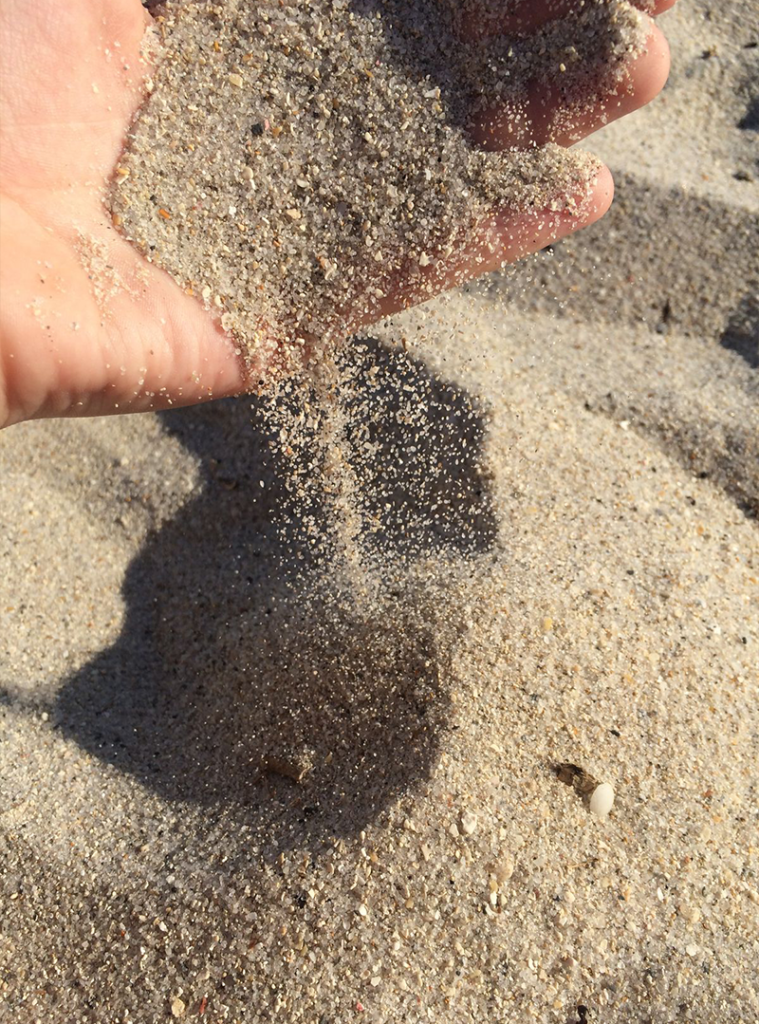
Clean, fine-graded sand for plastering, masonry, and concrete work.
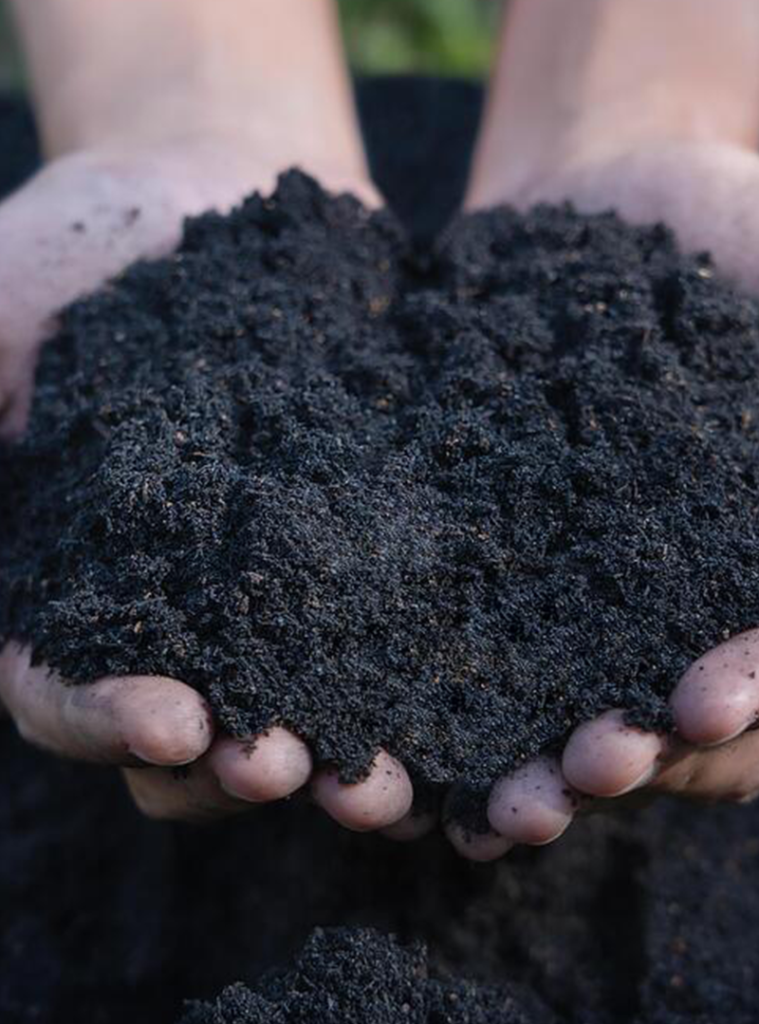
High-density black sand suited for heavy construction and filling applications.
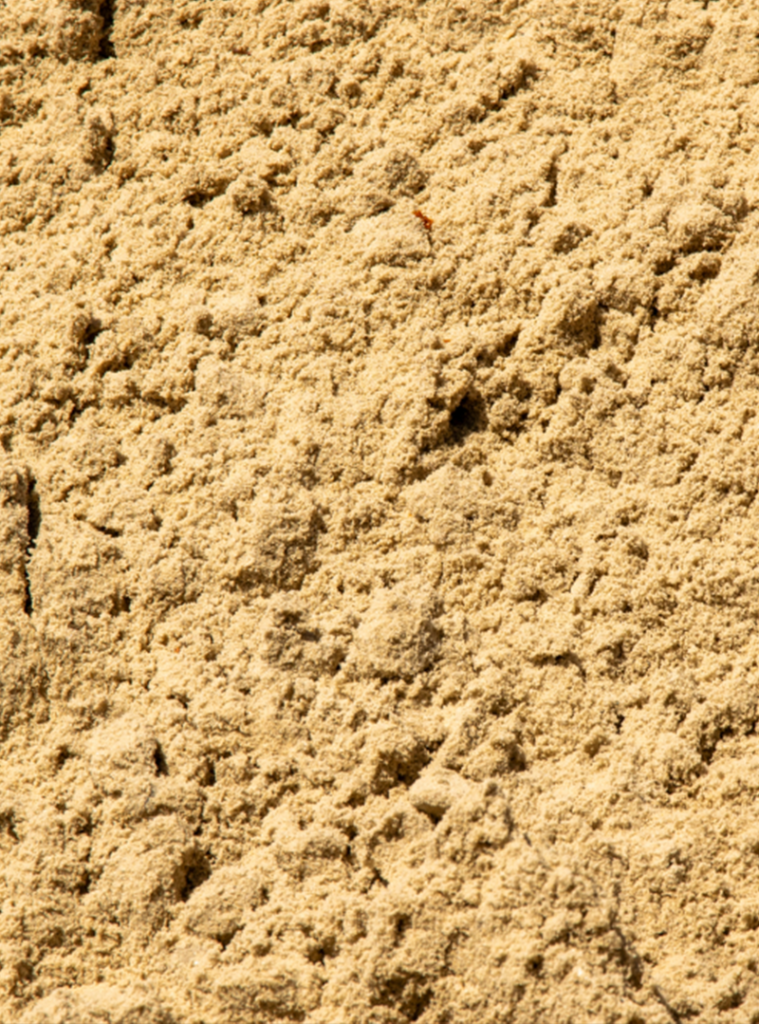
Natural yellow sand for landscaping, drainage, and construction projects.
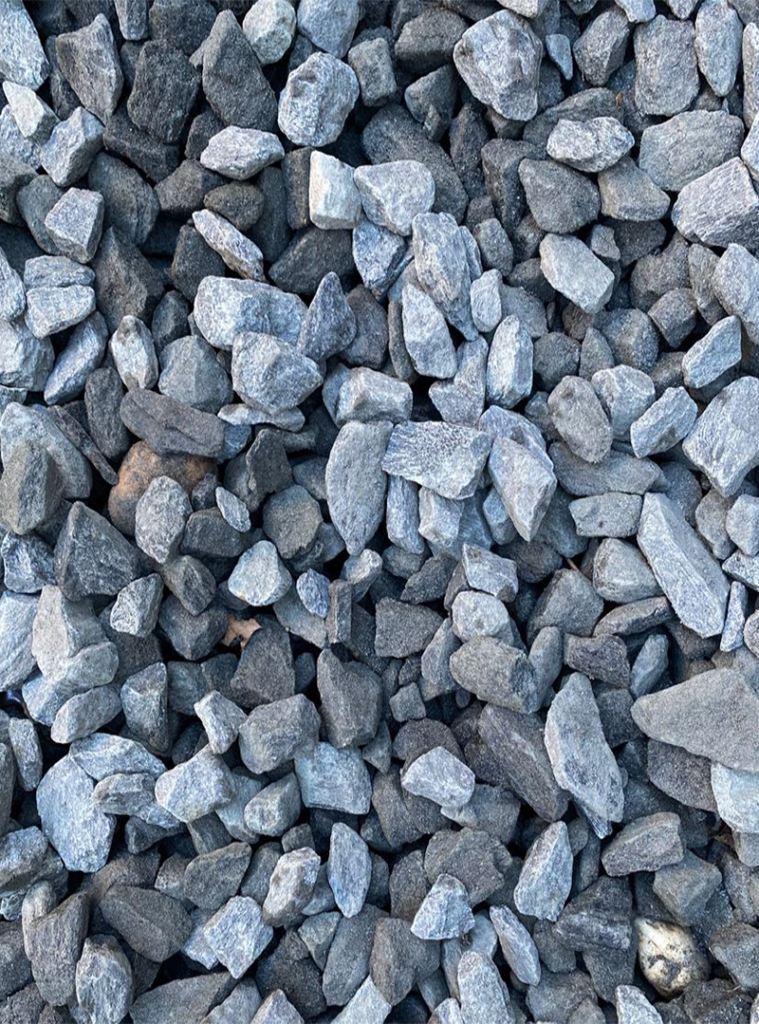
Coarse aggregate gravel (10–20mm) for concrete mixes, roads, and drainage systems.