Our Products
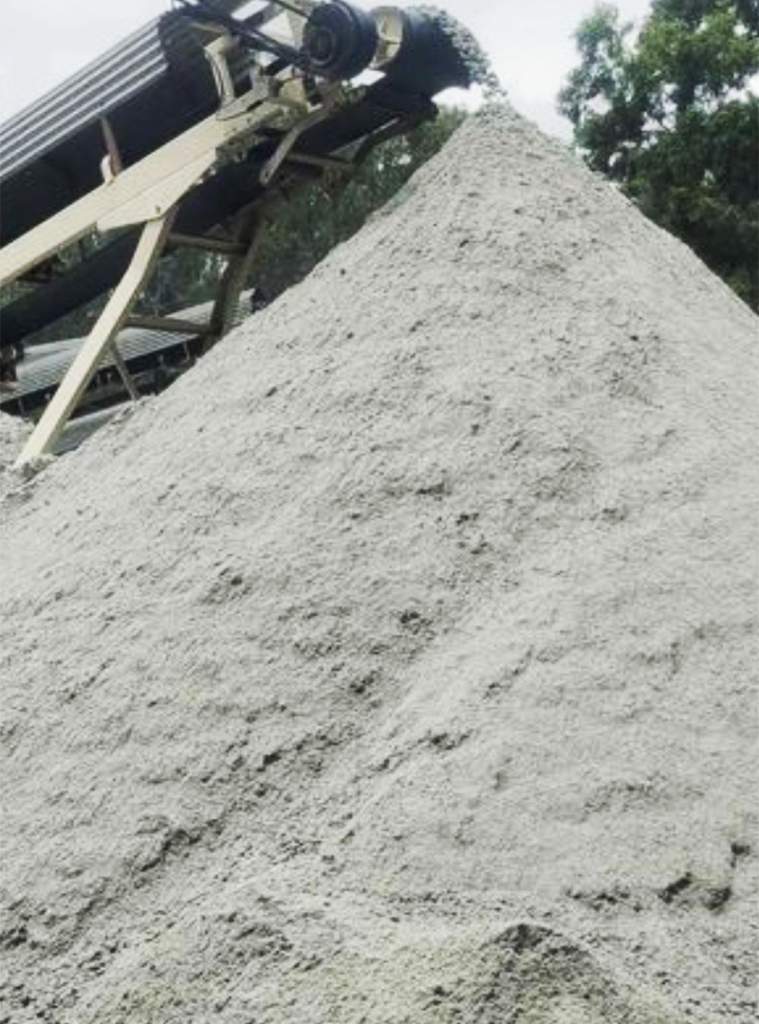
Clean, fine-graded sand for plastering, masonry, and concrete work.
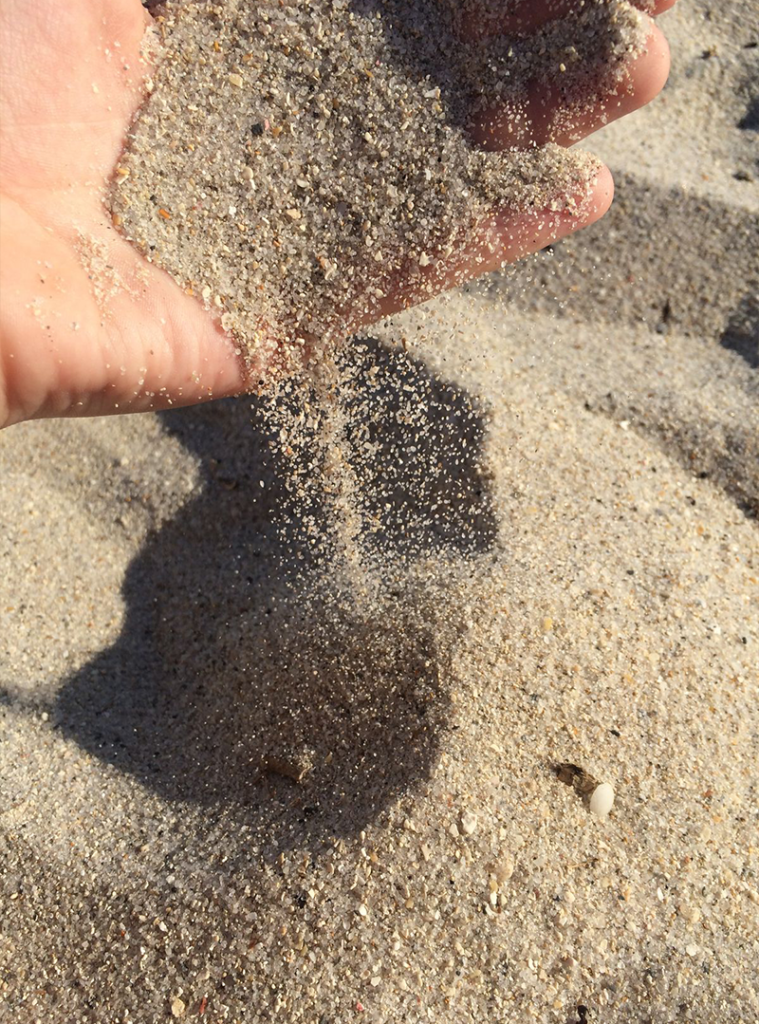
Material Overview
Washing sand is a carefully processed construction material that undergoes a thorough cleaning procedure to remove unwanted impurities such as silt, clay, dust, organic matter, salts, and fine particles. The result is a high-grade, well-graded sand with uniform particle sizes that meets construction standards and provides superior strength and durability in every application.
Washed sand is widely used in the construction industry because of its excellent binding properties and cleanliness. It is commonly utilized in concrete production, masonry work, plastering, paving blocks, floor screeds, and landscaping projects. By removing excessive fines and contaminants, washed sand ensures better adhesion between cement and aggregates, reducing the chances of cracks, shrinkage, and structural weaknesses.
One of the major advantages of washing sand is the improved quality and reliability it brings to construction projects. Although the washing process requires additional time and equipment, the long-term benefits — enhanced durability, stronger construction, and better overall performance — make washed sand a preferred choice for residential, commercial, and infrastructure developments.
Things to Consider
Removed impurities let cement bond more effectively with sand particles, improving compressive strength.
Less prone to cracking and shrinkage, helping structures withstand environmental stress over time.
Consistent particle size makes it easier to mix and apply during plastering and concrete work.
Produces a smoother, cleaner appearance for plastering and masonry joints.
Meets engineering specifications that recommend clean, washed sand for structural use.
Ideal for landscaping, playgrounds, sports fields, and drainage systems.
Washing requires specialized equipment and water, making it pricier than unwashed sand.
The washing process consumes significant water during production.
Not every supplier has washing facilities, which can affect sourcing in some regions.
Retained moisture means it needs covered storage to maintain consistent quality.
Explore More
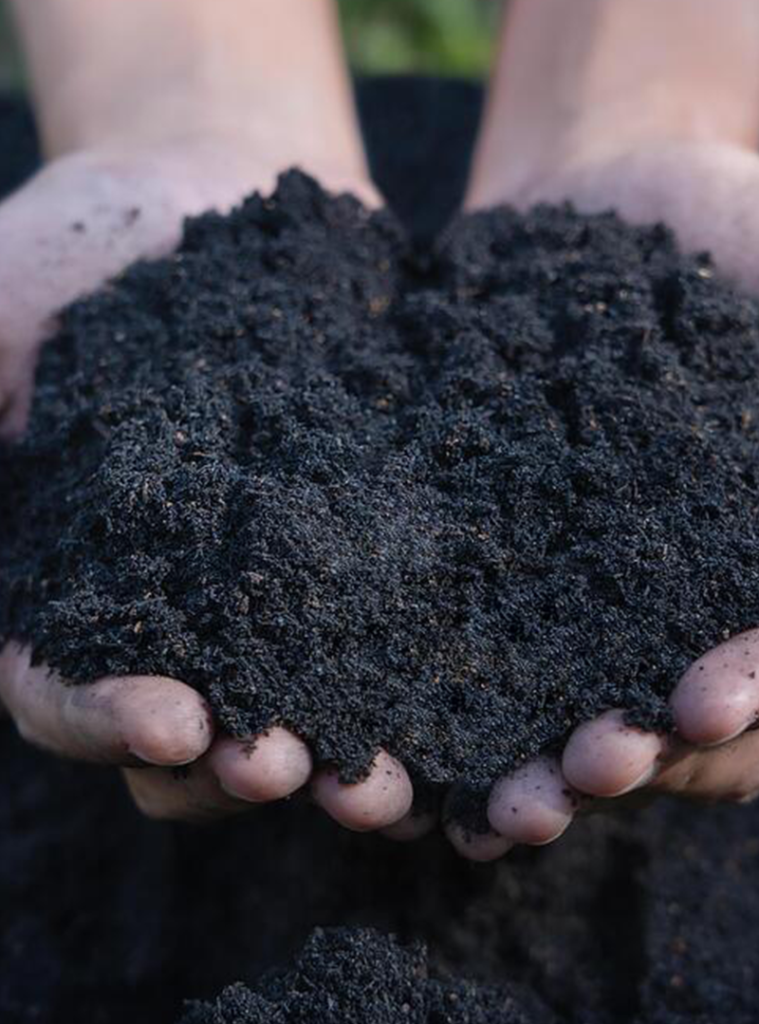
High-density black sand suited for heavy construction and filling applications.
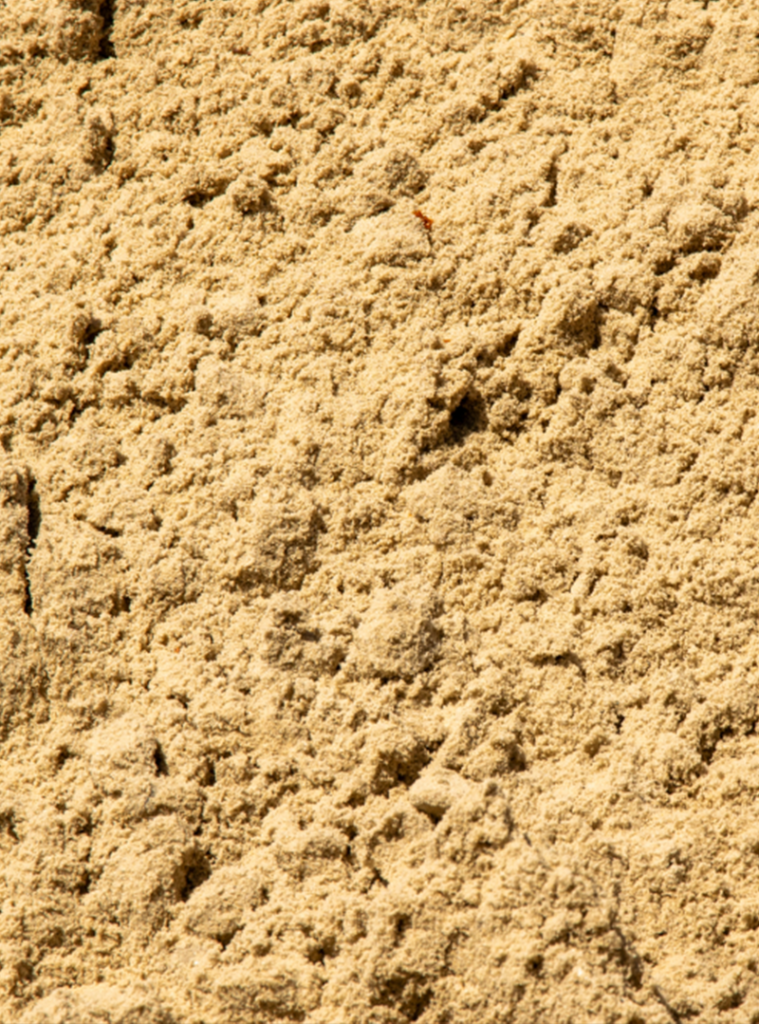
Natural yellow sand for landscaping, drainage, and construction projects.
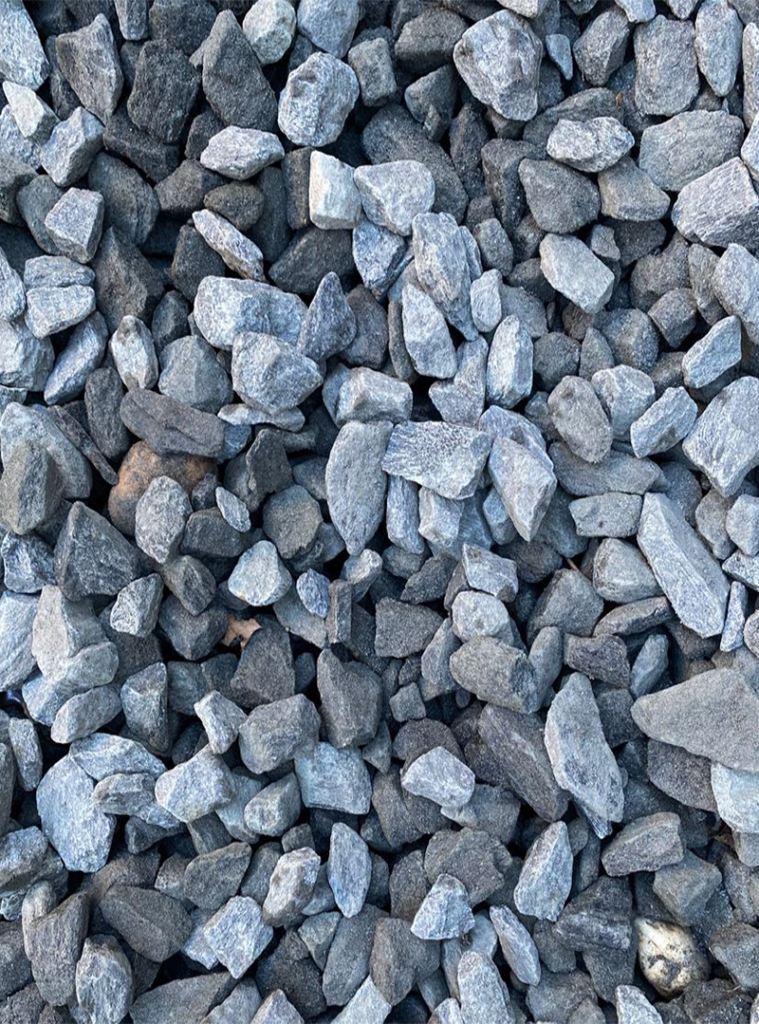
Coarse aggregate gravel (10–20mm) for concrete mixes, roads, and drainage systems.
Pure white sand for decorative concrete, tiles, and specialty applications.