Our Products
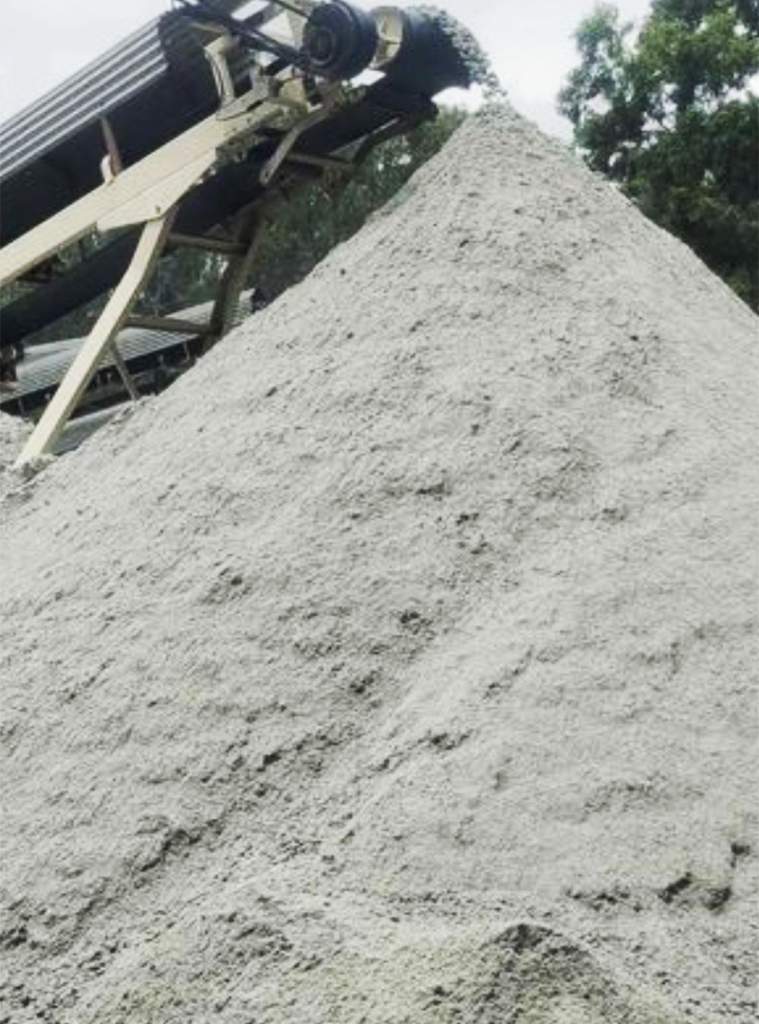
High-density black sand suited for heavy construction and filling applications.
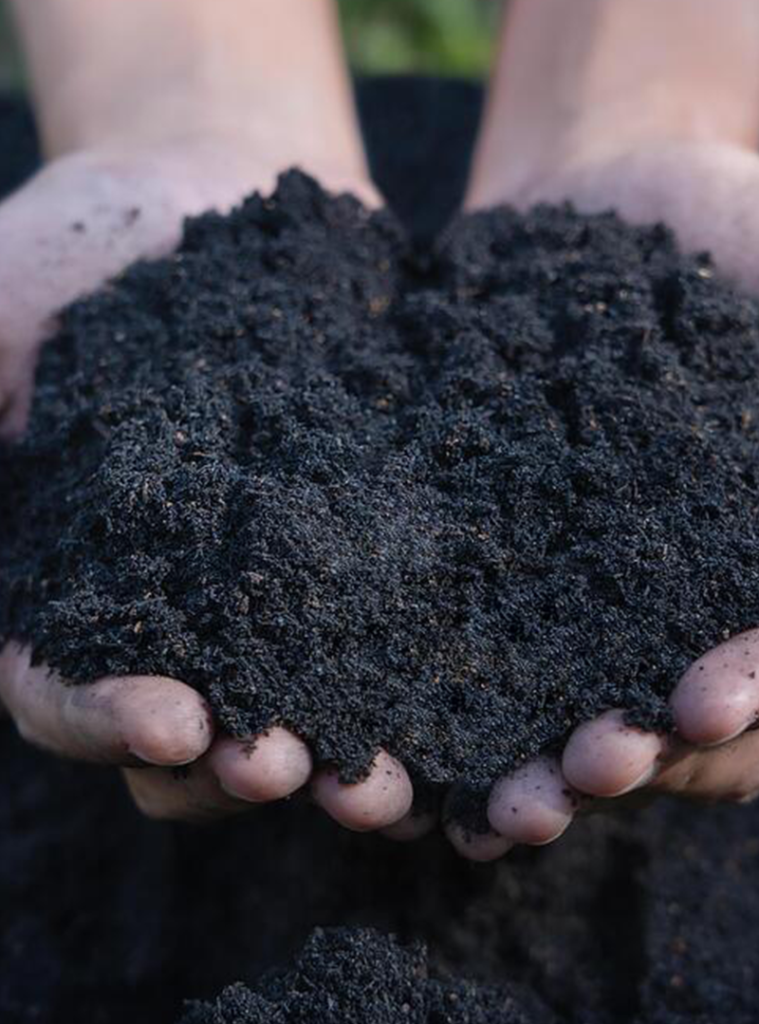
Material Overview
Black soil, also known as Regur soil or Black Cotton Soil, is a naturally occurring soil distinguished by its dark black to deep gray colour and high clay content, formed through the weathering of basaltic volcanic rock over thousands of years.
One of the most distinctive characteristics of black soil is its high clay content, which gives it a sticky texture when wet and causes deep cracking during dry periods. It possesses an exceptional water-holding capacity, enabling it to retain moisture for long periods — a property valued in both agriculture and select earthworks.
In construction, black soil is used in land development, embankments, and filling works after proper evaluation. Because it expands when wet and shrinks when dry, engineers often apply soil stabilization techniques or special foundation designs before building on it.
Things to Consider
High clay content stores water efficiently, useful in conservation structures and bunds.
Fine clay particles retain nutrients well over time.
Low permeability benefits farm ponds and small reservoirs where seepage matters.
Found extensively across the region, ensuring steady supply.
Expands when wet and shrinks when dry, requiring engineering care in construction.
Becomes difficult to handle during rainy conditions.
High clay content means slower water drainage versus sandy soils.
Infrastructure use often needs lime, cement, or other stabilization treatment.
Explore More
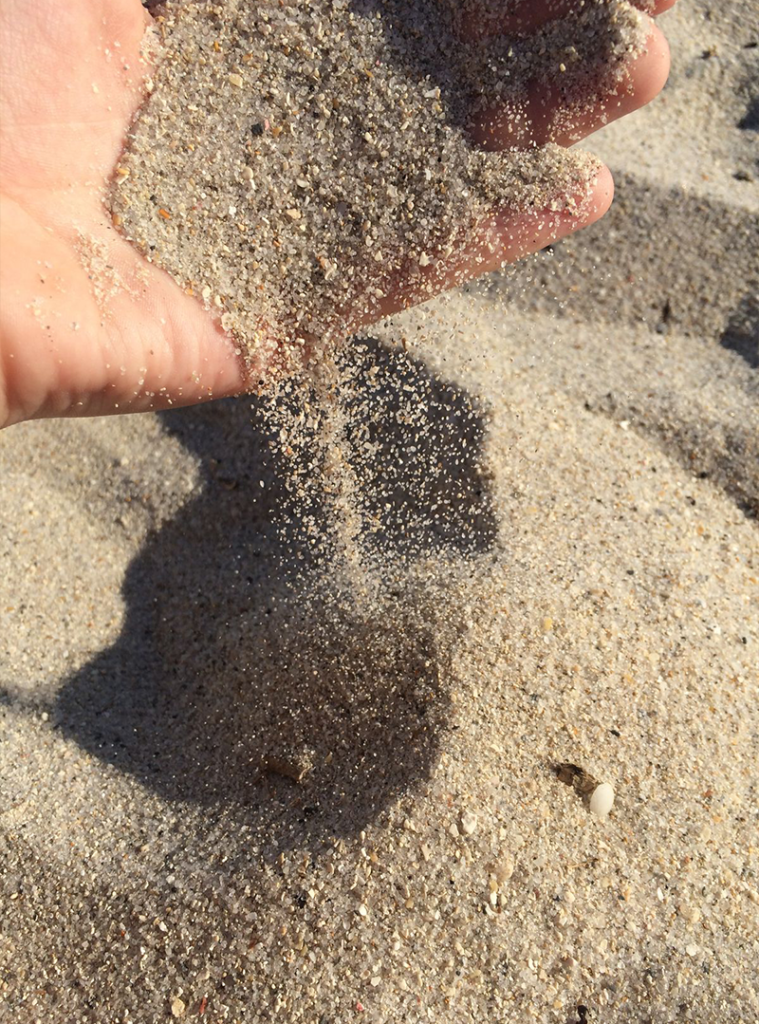
Clean, fine-graded sand for plastering, masonry, and concrete work.
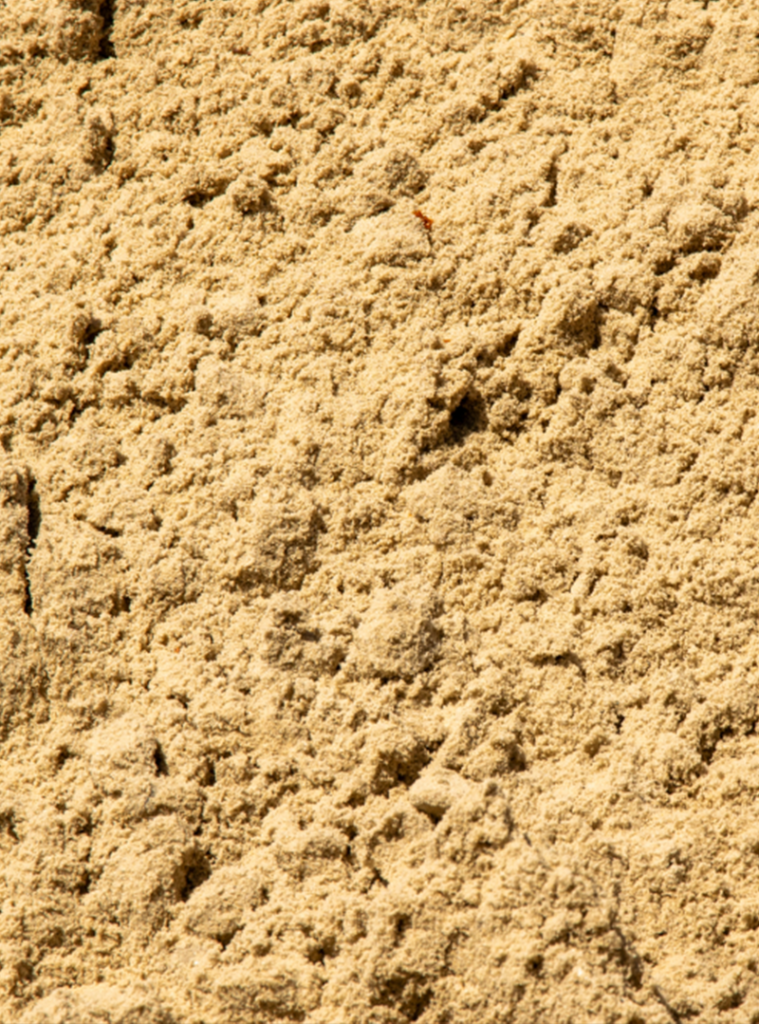
Natural yellow sand for landscaping, drainage, and construction projects.
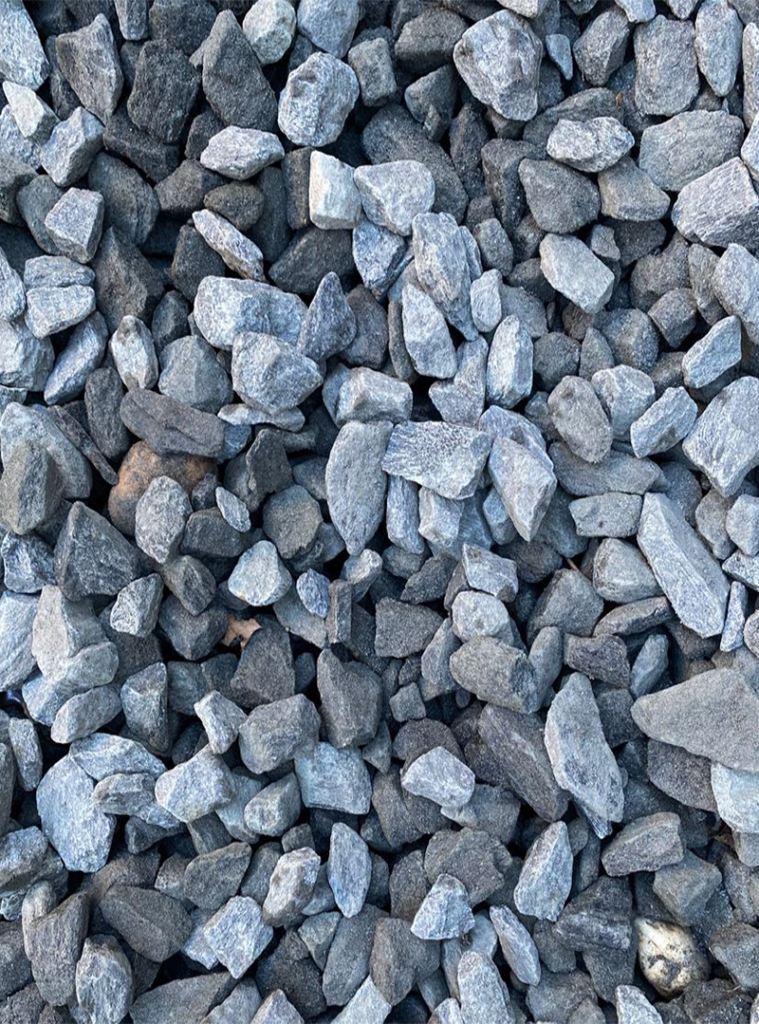
Coarse aggregate gravel (10–20mm) for concrete mixes, roads, and drainage systems.
Pure white sand for decorative concrete, tiles, and specialty applications.